
Bed Bug Exterminator
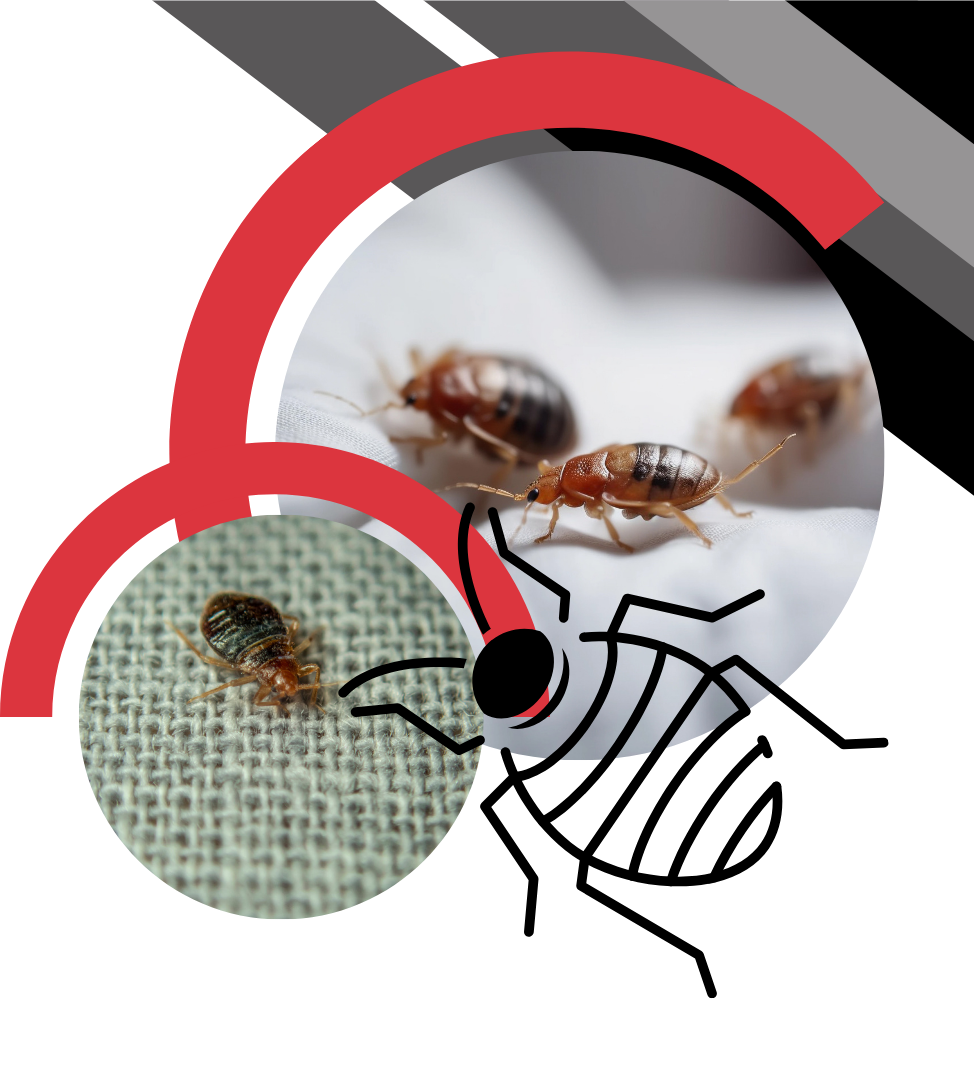
Bed bugs are small, resilient insects that feed on blood and prefer to stay close to where people sleep or rest. They hide in mattress seams, box springs, headboards, upholstered furniture, and even behind wall plates or picture frames. These pests are active mostly at night, which makes early detection difficult and allows populations to grow quietly. A single introduction through luggage, used furniture, or shared walls in multi-unit buildings can develop into a persistent problem if not handled with professional care.
An infestation of these nuisance creatures affects more than comfort. Repeated bites can cause itching, inflammation, and any of a number of potential secondary skin issues that can arise as a result of excessive scratching. The emotional toll an infestation can cause is often overlooked but very real, as victims of their biting struggle with disrupted sleep and constant anxiety about spreading the insects to other rooms or locations. Effective control isn’t just about stopping bites. It involves breaking the reproductive cycle and eliminating insects at every life stage so the problem does not resurface weeks later. That level of control requires targeted methods, precise application, and a deep understanding of how these pests survive indoors. Bed bugs also tolerate a wide range of indoor conditions, which is why do-it-yourself attempts often fail to address all of the potential hiding places these intruders might be tucked away in.
Signs Of An Active Infestation
Because bed bugs are very small and exceptionally skilled at good at hiding, many infestations go unnoticed until they are well established. One of the earliest indicators is waking up with clusters of itchy bites, often arranged in lines or small groupings on exposed skin. While bite reactions vary, their repeated appearance can suggest more than a random irritation. Small reddish-brown stains on sheets or pillowcases may also appear, caused by crushed insects or feeding activity during the night.
As populations increase, physical evidence becomes easier to find. Shed skins, tiny white eggs, and dark specks of waste may collect along mattress seams, bed frames, or furniture joints. A faint musty odor can develop in heavier infestations, particularly in enclosed rooms. These signs should never be ignored or handled casually. Over-the-counter products and guesswork often scatter insects into new hiding spots, complicating removal. Our professionals focus on accurate identification and a clear assessment of the extent of the issue before treatment begins, which helps prevent unnecessary disruption and repeated exposure. Early intervention also reduces the chance of the insects spreading into closets, adjoining rooms, or shared hallways.
Our Tried-And-True Process
Successful bed bug removal depends on a thorough, methodical approach that addresses both visible insects and those hidden deep within a structure. Our services begin with a detailed inspection of sleeping areas and adjacent spaces, since these pests spread easily through furniture and wall voids. Understanding where they are nesting and traveling allows treatments to be applied with precision rather than broad, unfocused application.
Treatment strategies may involve a combination of advanced chemical applications, heat-based solutions, and targeted dusts designed for cracks and crevices. Each method plays a specific role, and selection depends on the layout of the space, the severity of the infestation, and the materials present. Follow-up visits are often part of the process, since eggs can hatch days after the initial service. Monitoring and re-treatment when needed helps ensure lasting results instead of temporary relief.
Communication is also a critical part of removal. We guide property owners and occupants through preparation steps that support treatment effectiveness, such as laundering protocols and room organization. Clear expectations and realistic timelines reduce stress and improve outcomes. Bed bug control is a technical service, and consistent follow-through is what separates a short-term fix from a reliable solution. Professional removal also prioritizes minimizing unnecessary pesticide exposure by using targeted applications where they are most effective.
Prevention And Long-Term Protection
After an infestation has been resolved, prevention becomes the priority. Bed bugs are opportunistic hitchhikers, and ongoing awareness is key to avoiding reintroduction. Regular inspection of mattresses, furniture, and sleeping areas can reveal early warning signs before a problem escalates. Protective encasements, careful handling of secondhand items, and attention after travel all contribute to reducing risk.
In multi-family housing, hotels, and other shared environments, ongoing monitoring programs can make a significant difference. Addressing isolated issues early helps prevent spread between units and limits disruption for occupants. Our team works with property managers and homeowners to create realistic prevention strategies that fit daily routines rather than disrupt them. Long-term protection relies on knowledge, consistency, and professional support when concerns arise. Continued education about how bed bugs move through belongings and furniture can also help residents respond quickly if signs return.
Bed bug problems can feel overwhelming, but they do not have to control your home or property. With the right approach, these pests can be identified, removed, and managed with confidence. At NC Pest Detectives, our goal is to deliver thorough bed bug removal services backed by experience and careful attention to detail. If you suspect an issue or want more information about prevention and treatment options, don't hesitate to contact us today to discuss your situation and schedule professional assistance tailored to your needs.
Frequently Asked Questions About Bed Bugs
Q1. How Quickly Can Bed Bugs Spread Through A Home Or Building?
A1. Bed bugs can expand their presence faster than many people expect, especially in spaces with multiple bedrooms or shared walls. They often move by hitching rides on clothing, bags, furniture, or bedding rather than traveling long distances on their own. In apartments, hotels, and dorm-style housing, even a small infestation can extend into neighboring areas if it isn’t addressed early with a structured treatment plan.
Q2. Why Do Some Treatments Require More Than One Visit?
A2. Bed bugs go through several life stages, and their eggs are particularly challenging because they may survive an initial application. A follow-up service helps target newly hatched insects before they mature and reproduce. Multiple visits also allow professionals to confirm that hiding spots were fully treated and that no lingering activity remains in overlooked areas like baseboards, furniture joints, or wall gaps.
Q3. What Should I Do If I Think Bed Bugs Came From Travel Or A Recent Purchase?
A3. When bed bugs are introduced through luggage, secondhand furniture, or deliveries, quick action makes a major difference. It’s best to avoid moving items between rooms, since that can unintentionally spread the insects. Having a professional inspection early on can determine whether the problem is isolated or already established, allowing for a more efficient and targeted removal process.