Tick Exterminator
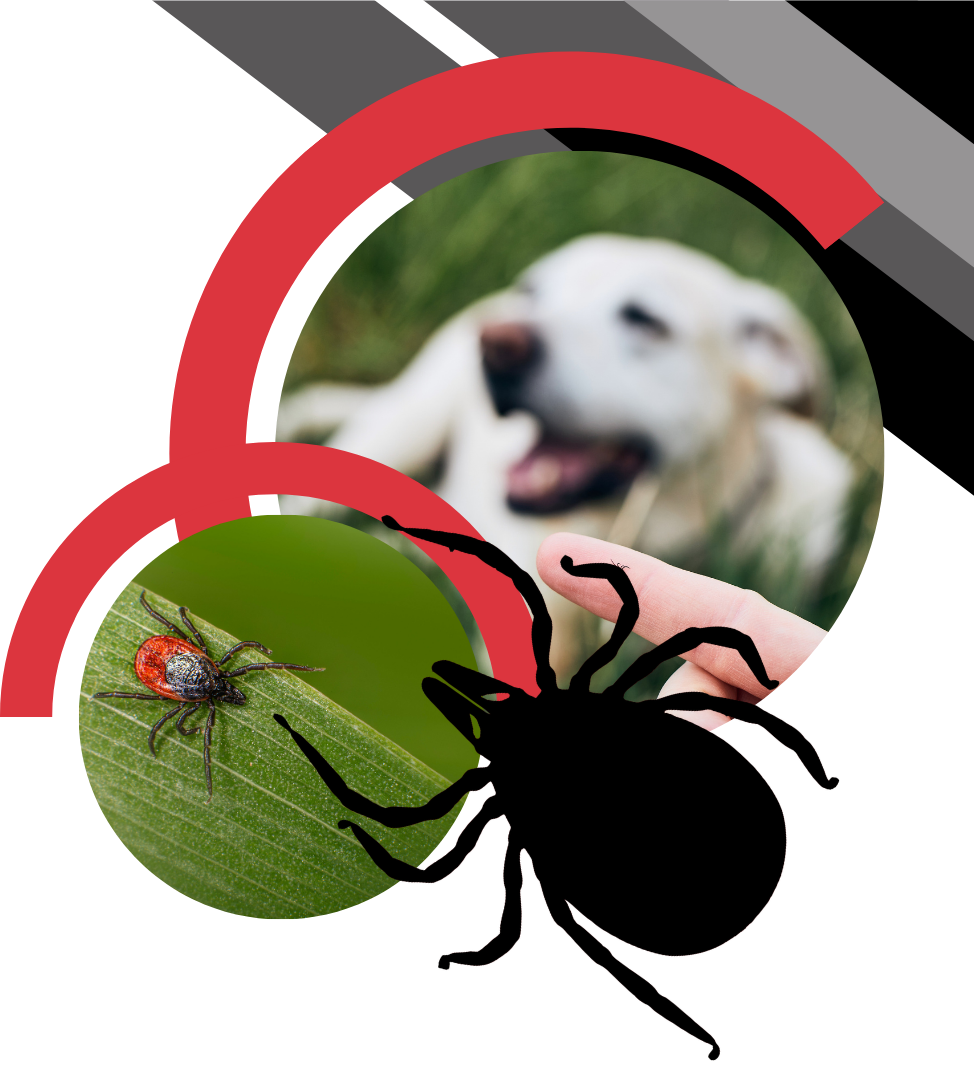
Ticks are far more than just small bugs that crawl on your skin during a summer hike. They are sophisticated, biological machines designed for the sole purpose of finding a host and staying attached as long as possible. These arachnids do not jump or fly. Instead, they utilize a unique behavior known as questing. A tick will climb to the top of a blade of grass or the edge of a leaf, extending its front legs into the air. It waits for the heat signature or carbon dioxide trail of a passing mammal. When a person or a pet brushes past, the tick hooks onto clothing or fur with surprising speed.
The anatomy of these bugs is truly remarkable from a scientific perspective, though it is unsettling for a homeowner. Their mouthparts are covered in tiny, backward-facing barbs that act like a specialized anchor. When they insert their feeding tube, these barbs lock into the skin, making manual removal difficult for those without the proper tools. Furthermore, they secrete a numbing agent in their saliva. This is why most people never feel the initial bite. By the time someone notices a bug clinging to them, the parasite might have been feeding for several days.
Advanced Strategies For Yard Protection
Effective management requires a deep understanding of the local ecosystem. Ticks thrive in the transition zones between manicured lawns and wooded areas. These spots, often referred to as the ecotone, provide the perfect mix of shade, moisture, and proximity to host animals like deer and mice. Our services focus on these high-traffic corridors to disrupt the insects’ lifecycle before they ever reach your back porch. We analyze the specific vegetation on your property to identify where moisture levels are high enough for ticks to survive the heat of the day.
By targeting these specific micro-habitats, our professionals can implement barriers that significantly reduce the local population. This is not about a single application but rather a comprehensive strategy that considers the seasonal behavior of different species. For instance, larvae and nymphs are active at different times than adults, and they often hitch rides on smaller rodents. Addressing the rodent population and their nesting sites is just as vital as treating the foliage itself. We provide guidance on how to modify your landscape to make it less inviting for these hitchhikers.
Proper identification is the next critical step in our process. Not every species carries the same risks. A dog tick has different implications than a black-legged or a lone star tick. Our team is training to distinguish between these species, providing you with clear information about what was found on your property or your person. This data is invaluable for monitoring your health or the health of your animals. Knowing the specific type helps us refine our exterior treatment plan, as different species prefer different hosts and environments. We take the guesswork out of the equation, ensuring that the removal is done correctly and that the follow-up plan is tailored to the specific threats present in your backyard.
Comprehensive Habitat Modification For Long-Term Results
Maintenance of a tick-free environment is an ongoing process that involves more than just reactive measures. It requires a shift in how a property is managed throughout the changing seasons. These insects are incredibly resilient and can survive even through a mild winter by burrowing deep into the soil or hiding under a thick layer of snow and leaves. Our team works to educate clients on the importance of leaf litter removal and the management of thick brush. By eliminating the damp, dark places where ticks hide, we make the environment inhospitable for them. This structural approach to pest management is often more effective than relying on a single method of control.
We also consider the role of local wildlife in these pests’ presence. While deer are often blamed for bringing these parasites near people, smaller mammals like white-footed mice are frequently the primary reservoirs for the pathogens that they usually carry. Our professionals evaluate your property for features that might attract these small hosts, such as stone walls with large gaps or bird feeders that drop excessive seed on the ground. By making your yard less attractive to the hosts, you naturally decrease the number of ticks being dropped off near your home. Our services are designed to be a partnership with the homeowner, combining our technical expertise with your knowledge of the property. This collaborative effort ensures that the layers of protection we build are durable and effective against the persistent nature of these tiny invaders. We stay updated on the latest shifts in pest populations and emerging species in the region to ensure our methods remain modern and effective.
Managing these pests is a necessity for anyone who enjoys spending time outdoors. The peace of mind that comes with knowing your lawn is a controlled environment is worth the effort. Ticks are a persistent part of the natural world, but they do not have to be a persistent part of your life. Through a combination of biological knowledge, precise extraction techniques, and strategic habitat modification, we provide a robust defense against these silent intruders. Our team offers the kind of specialized care required to handle these sensitive situations with the professional rigor you expect. If you have found a tick or want to ensure your property is adequately secured from pest intrusions, don’t hesitate to contact us today at NC Pest Detectives to learn more about our comprehensive removal and prevention programs.
Frequently Asked Questions About Ticks
Q1. What Makes Professional Service More Effective Than Doing It With Store Products?
A1. Our expert control methods go beyond applying a general product across the yard. A service-based approach focuses on the specific areas where ticks actually survive and spread, such as shaded borders, dense ground cover, and the edges between lawn and wooded zones. By targeting these high-risk habitats and combining treatment with landscape recommendations, the results are longer-lasting and far more strategic than a single over-the-counter solution.
Q2. Why Is Species Identification Important For Your Property And Pets?
A2. Not all ticks pose the same level of concern, and different species prefer different hosts and environments. Identifying what type is present helps determine the potential health risks for people and animals while also guiding a more precise prevention plan. This extra step ensures the response is tailored, rather than relying on guesswork or a one-size-fits-all approach.
Q3. How Can Homeowners Reduce Tick Activity Without Completely Changing Their Yard?
A3. Small adjustments can make a major difference in lowering tick populations. Simple steps like clearing leaf piles, trimming overgrown brush, and reducing moisture-holding ground cover can make the environment less favorable. Managing wildlife attractants, such as excess bird seed or rodent nesting spots, also helps break the cycle. When paired with professional guidance, these practical changes provide strong long-term protection.