Flea Exterminator
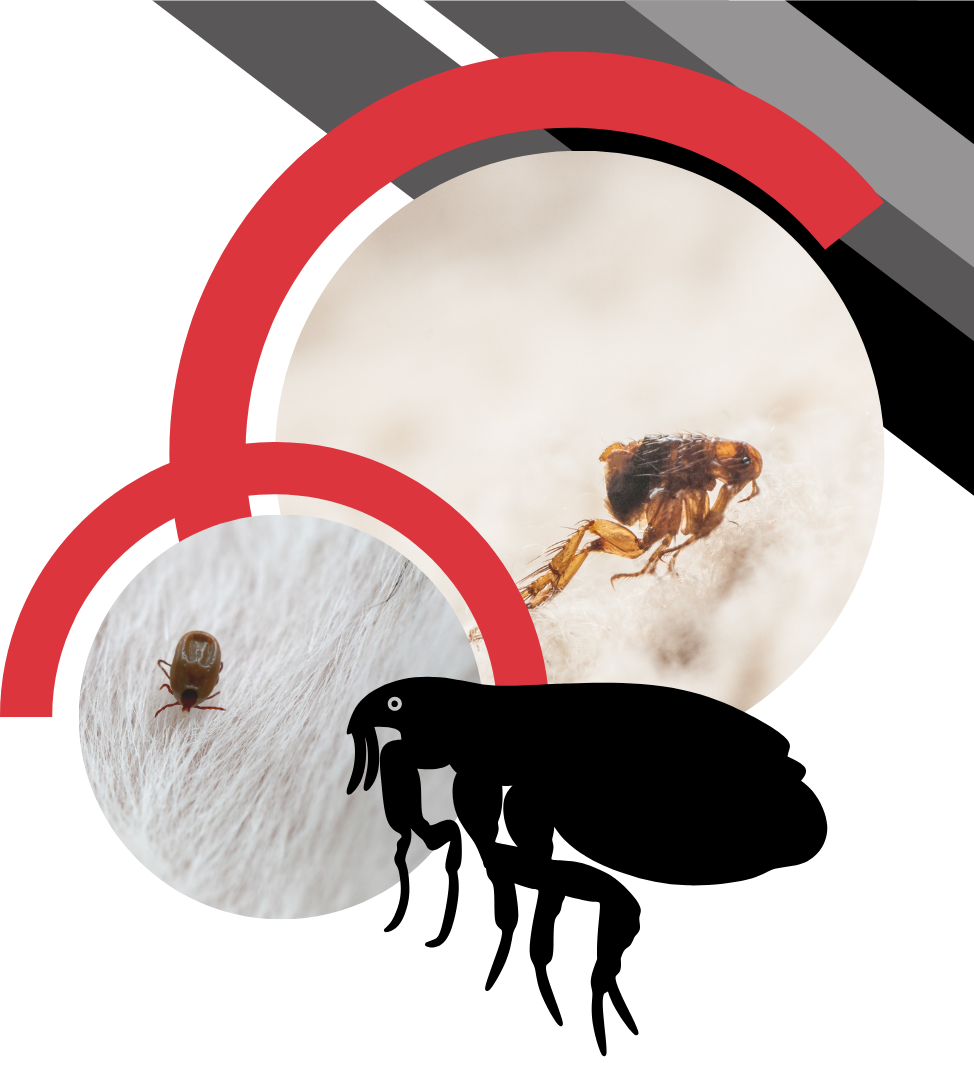
Flea problems often start quietly indoors. A few itchy bites around the ankles or a pet scratching itself more than usual might not seem like something worth taking notice of at first, but these tiny insects can quietly build a strong presence in living spaces surprisingly fast. These pests thrive inside because carpets, rugs, upholstered furniture, and even tiny floor gaps provide warmth, shelter, and plenty of places for eggs and larvae to develop out of sight.
Many people associate these small insects strictly with pets, but the home itself becomes the real staging ground once they get inside. Eggs drop into fabric fibers and along baseboards, larvae settle into hidden areas, and adult insects continue feeding. This cycle makes infestations frustrating because you may only notice the adults while the majority of the population remains concealed in immature stages. Over time, indoor pest activity can persist, even in homes that appear spotless.
Beyond irritation, their bites can potentially cause allergic reactions, skin inflammation, and can even lead to secondary infections from excess scratching. Without taking quick action, pets may experience hair loss, discomfort, and stress. Addressing this type of infestation in a home environment requires more than surface-level effort, because the issue is rarely limited to what you can see.
Using Techniques That Break The Life Cycle
Successful removal efforts depend on disrupting the entire life cycle, not just eliminating the adult insects that are actively jumping and biting. Our professionals begin by identifying where the pests’ activity is concentrated, often in areas that overlap with the spaces where pets choose to rest, where people spend time, and along edges of rooms where eggs collect.
Treatment focuses on precision. Eggs and larvae are frequently buried deep within carpets, rugs, and furniture, which is why over-the-counter sprays often fall short. Professional applications are designed to target both active fleas and the developing stages that will emerge later if left untreated. This layered approach is what makes long-term control possible.
The Challenge Of The Pupal Stage
Timing is also important. Insect populations don’t disappear instantly because pupae can remain dormant before hatching. The pupal cocoon is remarkably resilient, acting as a protective barrier against many standard treatments. Our services account for this natural delay, which is why follow-up recommendations may be part of the plan depending on conditions in the home. Effective removal isn’t just a one-time event. It’s a continuous process that requires expertise, proper products, and careful execution.
Homeowners also receive guidance on preparation and aftercare. Simple steps such as laundering bedding, vacuuming strategically, and reducing clutter in key zones can support treatment effectiveness and help results last. Vacuuming is particularly vital as the vibration and heat can actually stimulate pupae to emerge, exposing them to the treatment more effectively.
Managing Pests In Pet Areas And Shared Living Spaces
While pets are often the first clue that these pests are present, the infestation is rarely limited to the animal. Fleas spread through the environment, settling into couches, pet bedding, corners, and floor seams. Our approach considers how the household functions day to day, because their activity follows movement, resting spots, and warmth.
We focus on treating the living space holistically so that fleas aren’t simply pushed from one area to another. At the same time, coordination with pet care routines matters. Environmental treatment works best when paired with veterinarian-approved pet protection, since addressing only one side of the issue can leave gaps that allow the intrusive bugs to return.
This type of infestation can create stress for everyone in the home, including animals. With the right strategy, households can regain comfort and reduce the chance of repeated flare-ups. Consistency in monitoring these shared zones ensures that any missed "hot spots" are addressed before the population can rebound.
Outdoor Treatments As A Separate Service
Although these bugs are most disruptive inside, outdoor environments can contribute to the problem. Yards, shaded landscaping, leaf litter, and areas where pets lounge outside can support unwanted pest populations. Wildlife like squirrels, raccoons, or stray cats may also introduce fleas into outdoor spaces, creating another source of exposure. These pests often congregate in "microclimates" where the soil remains moist and shielded from direct sunlight.
Outdoor treatments are offered as a separate service to help reduce this pressure around the property. By addressing common breeding zones outside, homeowners can limit the chance of fleas being tracked back indoors by pets or people. This service is especially useful for properties with heavy vegetation, crawl space openings, or frequent animal traffic.
Combining attention to both interior living spaces and exterior risk areas can provide stronger long-term relief and help prevent reinfestation. A comprehensive exterior barrier limits the bridge between the wild environment and your personal living quarters.
Fleas can quickly disrupt comfort at home, especially when their hidden life stages allow them to persist indoors. Professional removal focuses on breaking the cycle, treating key living areas, and supporting households with practical guidance. By understanding the biology of the pest and utilizing targeted applications, we can eliminate the source of the frustration rather than just the visible symptoms. Outdoor treatments can also reduce outside sources that contribute to recurring problems.
To learn more or schedule service, contact NC Pest Detectives today and speak with our professionals about our service options and have us provide solutions that are tailored to your home and property.
Frequently Asked Questions About Fleas
Q1. How Long Does It Usually Take To Fully Resolve An Indoor Flea Infestation?
A1. Flea control is rarely instant because the insects develop in multiple stages, many of which stay hidden in carpets, furniture, and floor edges. While adult fleas may decrease quickly after treatment, earlier stages can emerge later. A professional service is designed to manage this timeline with targeted applications and guidance so the infestation is eliminated at its source rather than temporarily reduced.
Q2. Why Do Fleas Keep Showing Up Even In Clean, Well-Maintained Homes?
A2. Fleas are not attracted to dirt, they are attracted to warmth, movement, and hosts. Even spotless homes provide ideal hiding places in fabric fibers, pet bedding, and small cracks near baseboards. Because eggs and larvae are difficult to spot, infestations can grow quietly before homeowners realize the environment has become a breeding ground.
Q3. Should Indoor Treatments Be Combined With Pet Care And Outdoor Prevention?
A3. Yes, long-term relief is strongest when the entire situation is addressed together. Treating the home removes fleas from living areas, but pets should also remain on veterinarian-approved protection to prevent reintroduction. In some cases, outdoor problem zones like shaded yard areas or wildlife activity can contribute to recurring exposure, so an exterior service may help reduce the chance of the problem returning.