General Pest Control
General pest control is about more than responding to a single infestation. It involves a strategic, ongoing approach to managing the wide variety of insects and nuisance wildlife that can invade homes and commercial spaces across North Carolina. The climate here, with its warm summers and mild winters, creates favorable conditions for many species to thrive year-round. Without consistent oversight, minor activity can quickly develop into structural damage, contamination concerns, and persistent discomfort.
Our services focus on identifying vulnerabilities within and around a structure before they escalate into larger problems. This includes examining entry points such as foundation cracks, gaps around windows and doors, attic vents, and crawl spaces. We evaluate moisture levels, wood-to-soil contact, landscaping features, and storage areas that may attract unwanted invaders. By addressing conducive conditions and applying targeted treatments, we create a layered defense designed to reduce recurring activity.
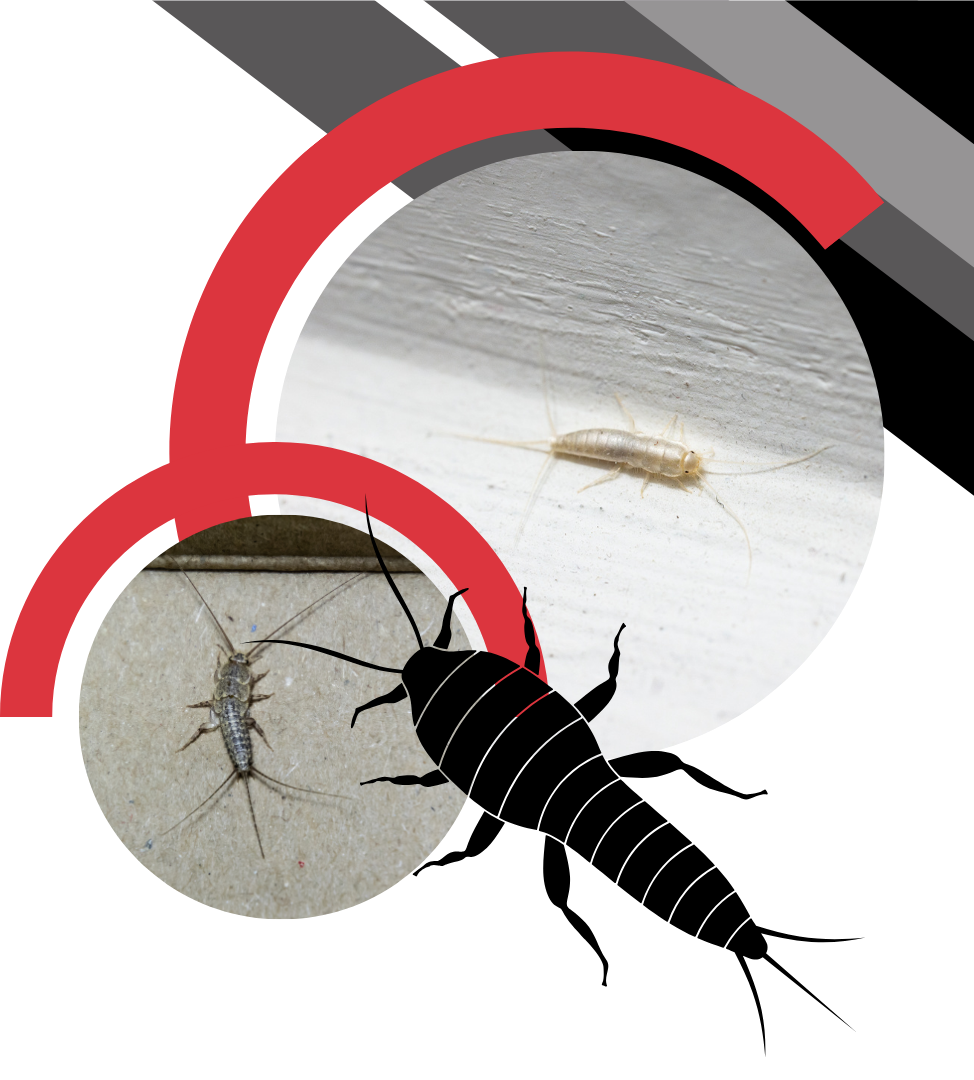
North Carolina properties commonly encounter earwigs, silverfish, millipedes, centipedes, pantry beetles, carpenter bees, and occasional invaders like stink bugs and boxelder bugs. These species may not receive as much attention as higher-profile species, yet they can still cause significant frustration and, in some cases, property deterioration. A comprehensive plan accounts for both visible activity and hidden harborage zones, ensuring coverage extends beyond what is immediately apparent.
Inspection And Customized Treatment Strategies
Effective removal begins with a detailed inspection. Surface-level observations rarely tell the whole story. Our process involves assessing interior rooms, basements, crawl spaces, attics, and exterior perimeters to determine species identification, nesting sites, and access pathways. Correct identification is essential because treatment methods vary significantly between wood-damaging insects, fabric feeders, moisture-loving arthropods, and overwintering invaders.
Once the source and extent of activity are confirmed, we implement a customized treatment strategy. For wood-destroying organisms such as carpenter bees or certain beetle species, we focus on targeted applications within galleries and vulnerable wooden components. For crawling insects like silverfish and centipedes, we treat cracks, crevices, and high-humidity areas where they typically hide. Exterior perimeter treatments form a barrier that helps reduce the likelihood of new intruders entering the structure.
Environmental conditions are carefully considered before any product is applied. We select materials and methods based on the specific species that’s present, the layout of the property, and occupancy patterns. In some situations, non-chemical techniques such as sealing entry points, improving ventilation, and adjusting storage practices play a significant role in long-term management. The objective is not simply to suppress visible activity but to interrupt breeding cycles and reduce conditions that support continued presence.
Integrated Prevention And Long-Term Management
Successful control efforts require consistency. Even after active removal, environmental pressures can introduce new insects over time. Seasonal changes influence insect behavior, driving some species indoors during colder months and increasing exterior populations during warmer periods. Ongoing service helps maintain protection through these fluctuations.
Integrated management combines monitoring, targeted applications, and structural recommendations. We place monitoring devices in discreet locations to track activity trends and detect early warning signs. When necessary, we adjust treatment frequency and methods based on findings. This data-driven approach allows us to respond proactively rather than reactively.
Exclusion is a critical component of long-term success. Small gaps along siding, damaged screens, and unsealed utility penetrations provide convenient entry points. Sealing these vulnerabilities reduces the need for repeated interior interventions. Moisture control also plays a central role. Dehumidification in crawl spaces, proper drainage around foundations, and ventilation improvements limit habitats that attract insects such as silverfish and earwigs.
Education is part of the service as well. Property owners benefit from understanding how storage practices, clutter, food handling, and landscaping choices influence pest pressure. Simple adjustments, when combined with professional treatments, can significantly reduce recurring issues.
Removal Techniques That Address The Source
When intrusive creatures establish themselves inside walls, attics, or structural voids, surface treatments alone are insufficient. Removal techniques must reach the source. For example, carpenter bees require direct treatment of nesting tunnels followed by sealing and preventative measures to deter reinfestation. Pantry pests demand inspection of stored products, disposal of contaminated items, and targeted applications in shelving cracks where larvae may develop.
Our methods prioritize precision. We apply materials into specific voids, crevices, and structural gaps where pests harbor, limiting unnecessary exposure in living areas. Monitoring follows removal to confirm that activity levels decline as expected. If adjustments are required, they are made promptly based on documented findings. This systematic approach strengthens results and supports long-term control.
Effective pest control protects structural components, stored goods, and daily comfort. If you are noticing unexplained insect activity or want to establish preventative coverage, don't hesitate to contact us today at NC Pest Detectives to schedule service or find out more about how we can help you. Our team is prepared to assess your property and implement a plan designed to reduce current issues and help prevent future ones.
Frequently Asked Questions About General Pest Control
Q1. How Do Professionals Address Hidden Infestations Inside Walls Or Crawl Spaces?
A1. Many insects and nuisance invaders remain out of sight, nesting in wall voids, insulation, subflooring, or crawl spaces where casual observation will not reveal their presence. A professional general pest control service begins with a thorough inspection that includes these concealed areas. Technicians look for subtle indicators such as frass, moisture buildup, faint staining, and entry gaps around plumbing or wiring. Once activity is confirmed, treatments are directed into targeted voids and structural gaps using specialized equipment designed to reach those spaces without unnecessary disruption to living areas. Follow-up monitoring ensures that the source of the issue has been properly addressed rather than temporarily suppressed.
Q2. Why Is Ongoing Management Recommended Instead Of A One Time Treatment?
A2. In North Carolina, seasonal shifts influence pest behavior in noticeable ways. Certain insects seek shelter indoors during cooler months, while others multiply rapidly during warmer periods. A single visit may reduce visible activity, but it does not account for changing environmental pressures or new entry points that develop over time. Ongoing management provides routine inspections, perimeter treatments, and adjustments based on current conditions. This approach allows for early detection of new activity and supports consistent protection throughout the year. It also helps identify structural or moisture-related concerns that may invite recurring problems if left uncorrected.
Q3. What Makes Professional Service Different From Treating A Specific Pest Problem?
A3. Treating a single species focuses on eliminating a defined infestation, such as carpenter bees or pantry beetles. General pest control takes a broader view of the property as a whole. It evaluates potential attractants, structural vulnerabilities, and environmental conditions that support a variety of insects. Rather than concentrating on one issue, the service establishes a layered defense that targets multiple common invaders before they become established. This comprehensive strategy integrates inspection, exclusion, monitoring, and tailored applications to create a more resilient barrier against both current and emerging pest pressures.