Stinging Insect Exterminator
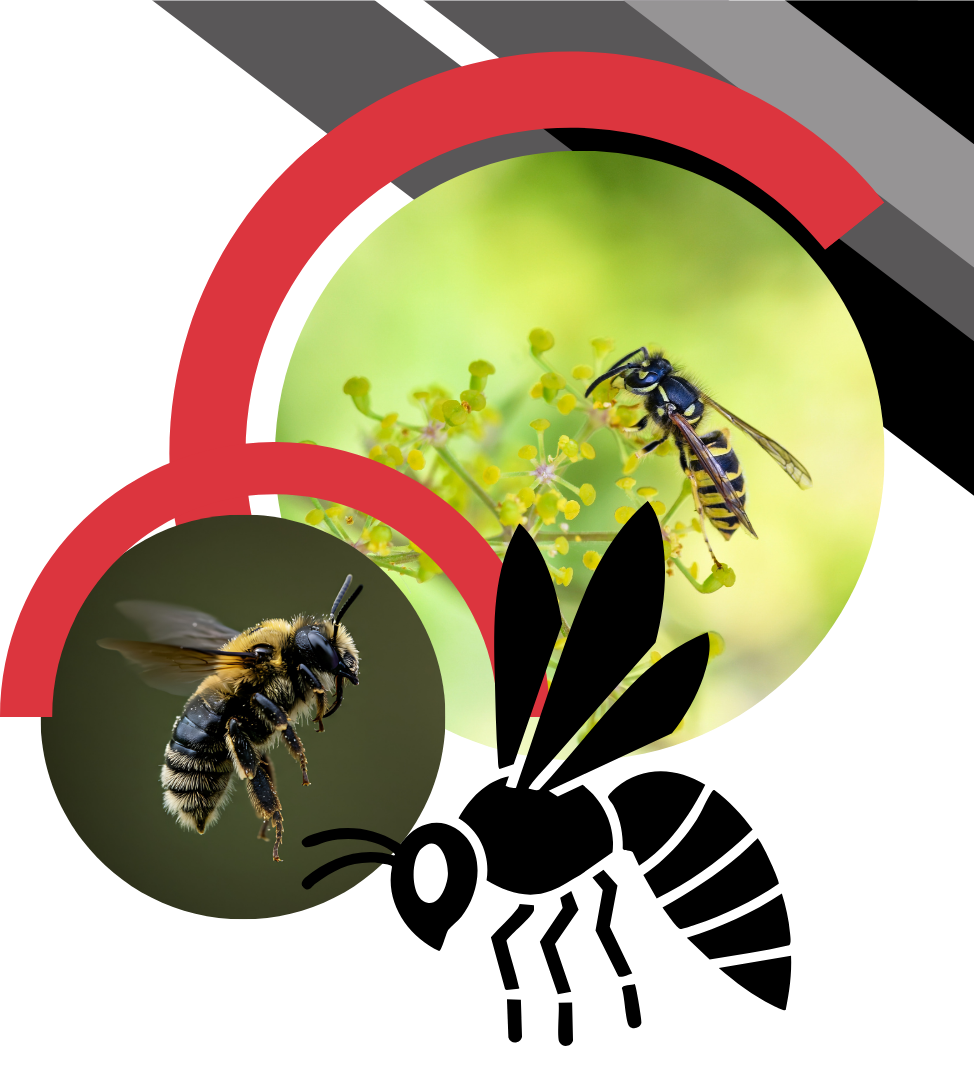
Stinging insects in North Carolina always seem to show up at the worst possible times, especially during times of the year when many people spend more time outdoors. Wasps, hornets, and yellowjackets are some of the most common culprits, and they tend to build nests in places that aren’t immediately obvious, but close enough to cause distress. Rooflines, wall voids, sheds, attic spaces, and even landscaping features can become prime locations for any of these problematic species. Once a colony is established, activity can increase quickly, and the signs of their presence become much more noticeable around entryways, patios, or work areas.
These pests aren’t just a nuisance. Their presence can change how people use their own property, especially when colonies are close to high-traffic areas. Yellowjackets, in particular, are known for ground nesting and aggressive behavior when disturbed. Hornets may build larger, elevated structures, while paper wasps often choose sheltered ledges or corners. Each species behaves differently, which is why proper identification matters before any removal is attempted.
It’s also important to mention honey bees. If the issue turns out to involve bees, we focus on helping property owners connect with a beekeeper who can handle the situation appropriately, since bees play an important ecological role.
Common Habits And Why Infestations Escalate
One of the biggest challenges with stinging species is how quickly a small problem can turn into a major one. Early in the season, a colony may only contain a handful of individuals. As weeks pass, the colony grows, and pest traffic becomes heavier. By late summer, nests can hold large numbers, making the risk of stings much higher if someone accidentally gets too close.
Different species prefer different environments. Yellowjackets often build underground, which means people may not even notice them until mowing the lawn or walking near a hidden entrance. Wasps frequently create paper-like nests under eaves, porch ceilings, or inside garages. Hornets tend to choose trees, roof edges, or other elevated locations where their large structures can develop undisturbed.
Stinging insects become more defensive when they feel their territory is threatened. Vibrations, loud equipment, or even someone brushing past an area can trigger swarming behavior. That’s why do-it-yourself attempts can be risky, especially when nests are concealed inside walls or tight spaces. Professional removal focuses on addressing the colony at its source, not just the bugs you've seen flying around.
Professional Removal Methods That Address The Source
Maximizing the likelihood that pest removal efforts achieve long-term success involves more than simply knocking down a visible nest. The real goal is to eliminate the entire colony and reduce the chances of continued activity. Our services focus on targeted treatment strategies based on the species, the nest location, and the level of infestation.
For aerial nests, careful access and application methods are required to avoid scattering insects into surrounding areas. For ground nests, treatment needs to penetrate into the nesting chamber where the colony is active. Wall void infestations are even more complex, since insects may enter through tiny openings and build hidden structures inside.
A proper approach includes inspection, identification, treatment, and follow-up recommendations. Simply removing the outer nest material without addressing the insects inside can leave the problem unresolved. Our team works to manage the situation efficiently while limiting disruption to the property.
Stinging insect control isn’t only about immediate removal. It also involves understanding what attracted them in the first place. Food sources, exposed trash, sugary spills, or certain landscaping conditions can contribute to repeated issues. By addressing these factors, long-term relief becomes much more realistic.
Prevention Steps That Reduce Future Problems
After removal, prevention becomes the next priority. Stinging insects often return to favorable environments, especially if nesting spots remain available. Small maintenance efforts can make a noticeable difference over time.
Sealing cracks, repairing siding gaps, and screening vents helps reduce access to wall voids and attic spaces. Keeping outdoor eating areas clean and limiting exposed food sources can discourage yellowjackets from lingering nearby. Regularly checking rooflines, sheds, and porch corners early in the season may help catch activity development before a colony has the chance to become established.
Landscaping also plays a role. Ground nesting species may take advantage of loose soil areas, mulch beds, or neglected corners of the yard. By staying aware of insect activity patterns, property owners can respond sooner rather than later.
Stinging insects are a normal part of the environment, but nests near living and working spaces create unnecessary risk. Professional help ensures the issue is handled correctly, without escalating the threat of stings or continued infestations.
Stinging insects like wasps, hornets, and yellowjackets can quickly disrupt comfort around a property, especially when nests are hidden in structural spaces or close to daily activity areas. Our removal services focus on resolving the source of the infestation while providing practical guidance for prevention. If you’re dealing with stinging insect activity or suspect that a colony is developing somewhere on your property, don't hesitate to contact us today at NC Pest Detectives to schedule service or ask any questions you might have.
Frequently Asked Questions About Stinging Insects
Q1. Why Do Stinging Insects Become More Aggressive Later In The Season?
A1. As colonies mature, their population increases significantly, which naturally leads to heightened defensive behavior. By late summer and early fall, their population can be made up of hundreds of individuals, all programmed to protect their queen and food supply. At the same time, natural food sources begin to shift, causing yellowjackets and similar species to scavenge more aggressively around trash bins, outdoor dining areas, and sugary drinks. This combination of larger colony size and increased competition for food often makes encounters more intense during that period of the year.
Q2. Can I Remove A Wasp Or Hornet Nest On My Own?
A2. Attempting to handle an infestation without professional equipment and proper identification can be risky. Many species will swarm if they sense vibration or disturbance, and some nests are hidden inside walls, underground, or high above ground level. Spraying visible insects may not eliminate the entire colony, which can result in continued activity. Professional removal focuses on identifying the species, locating the nesting site accurately, and applying targeted treatments that address the root of the problem rather than just the surface activity.
Q3. What Happens If The Stinging Insects Turn Out To Be Honey Bees?
A3. Honey bees play an important ecological role, and their management requires a different approach than wasps or hornets. If an inspection reveals that the insects are honey bees, the next step involves connecting the property owner with a qualified beekeeper who can handle the situation appropriately. This ensures that the bees are managed responsibly while still resolving concerns about their presence near homes or commercial spaces.