
Rodent Exterminator
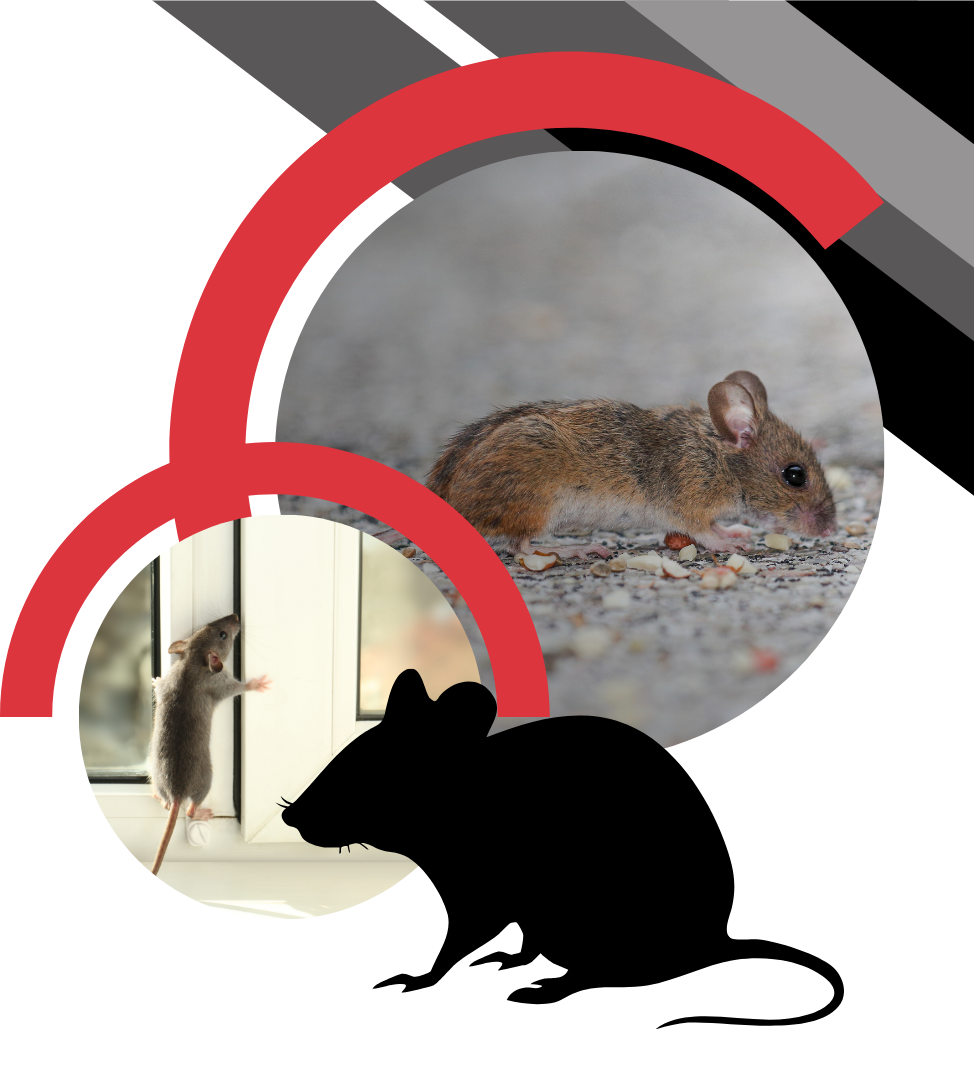
Rodents have a way of turning a small issue into a major disruption before most property owners even realize what’s happening. A couple of scratching sounds in the walls or a few droppings in a cabinet can signal a much larger presence. Mice and rats are persistent, resourceful, and constantly searching for warmth, food sources, and shelter. Once they find a way inside, they don’t take long to settle in.
These pests can squeeze through surprisingly small gaps, often entering through foundation cracks, damaged vents, loose siding, or openings around utility lines. After they gain access, they tend to build nests in insulation, storage spaces, crawl areas, and other quiet corners that people rarely check. Their activity can contaminate food, leave behind bacteria, and create unpleasant odors that linger.
This type of infestation also comes with structural concerns. Chewing is a constant behavior for them, and they may gnaw on wood, drywall, and wiring. That kind of damage adds up over time, especially when the infestation isn’t addressed early. That means removal isn’t just about stopping an annoyance, it’s about protecting the condition of the property and preventing long-term complications.
Signs Of Activity In Homes And Businesses
These critters are rarely seen out in the open during the day, which is why many infestations remain hidden until the evidence becomes obvious. One of the most common signs is droppings, often found near pantry areas, behind appliances, or along baseboards where they prefer to travel. Grease marks or rub lines may also appear along walls as they repeatedly move through the same routes.
Noises are another clue. Scratching, squeaking, or movement in ceilings and wall voids tends to happen at night when these intruders are most active. Some people also notice chewed packaging or small holes in stored goods, which can be an early sign that rodents have started exploring food sources. In garages or storage buildings, gnaw marks on boxes and wiring may show up before any actual critters are ever spotted directly.
Some people notice shredded paper, fabric, or insulation that has been pulled together to form nesting material. Odors can develop as well, especially when an infestation grows larger. A stale, musky smell may settle into enclosed spaces, and urine staining can become noticeable under certain lighting. Businesses may experience additional risks, since rodents can affect inventory, customer perception, and regulatory compliance.
Recognizing these warning signs early can make a significant difference. Addressing the problem promptly reduces the chance of widespread contamination and helps prevent rodents from establishing deeper nesting sites.
Our Proven Approach That Actually Works
Effective removal requires more than placing a few traps and hoping the issue disappears. These are unexpectedly intelligent pests that adapt quickly, and a successful strategy needs to focus on both elimination and prevention. Our approach begins with a detailed inspection to identify entry points, nesting zones, and the factors attracting the activity in the first place.
Once the scope of the problem is understood, targeted trapping and control methods are applied based on the specific species that’s currently causing issues. The goal is to reduce the population efficiently while limiting disruption to the property. In some cases, the layout of the building and the level of infestation determine which tools and placement strategies will be most effective over time.
At the same time, exclusion work becomes a major part of the process. Closing off access points helps prevent recurring infestations and stops the critters from returning through the same gaps. Sanitation and habitat adjustments are also essential. These pests thrive when food is accessible, and clutter provides shelter. Recommendations may include securing pantry items, reducing outdoor debris, and addressing moisture issues that create appealing conditions.
Rodent control isn’t only about removing what’s currently inside, it’s about creating an environment that discourages future activity through practical, lasting solutions.
Long-Term Prevention
Keeping these nuisance creatures away from your property for the long-term requires consistency and awareness. Even after an infestation is resolved, properties remain vulnerable if entry points reopen or attractants return. Small structural gaps can develop over time, especially around doors, vents, and utility penetrations, so routine monitoring is valuable.
Outdoor conditions matter too. Overgrown vegetation, firewood stacked close to the structure, or unsecured trash can create an inviting setup for these intrusive pests. Inside, proper food storage and reducing hidden nesting areas can make a big difference. It also helps to address minor repairs quickly, since these intruders often take advantage of the smallest weaknesses before they become noticeable.
Ongoing prevention may also involve periodic inspections, especially for properties with crawl spaces, older construction, or nearby wooded areas. Rodents don’t disappear from the environment, they simply look for the next opportunity. A proactive mindset helps stop problems before they restart.
Removal efforts are most effective when paired with strong exclusion and practical prevention steps that support a healthier, cleaner property over time.
Rodents can cause serious disruption, from contamination and unpleasant odors to structural damage that grows quietly behind walls. Addressing the issue early with thorough removal and prevention measures is the best way to protect your home or business. If you suspect activity or want help securing your property against future infestations, don't hesitate to contact us today at NC Pest Detectives to learn more about our rodent removal services and schedule an inspection.
Frequently Asked Questions About Rodents
Q1. How Quickly Can A Rodent Problem Grow If Left Untreated?
A1. Rodent activity can expand faster than most people expect. What starts as a single entry point can turn into multiple nesting areas within weeks, especially when food and shelter are easy to access. As populations increase, damage, contamination, and noise issues tend to spread into more parts of the structure. Early service limits how far the problem progresses and reduces the scope of repairs needed later.
Q2. Why Do Rodents Keep Returning After Basic Traps Are Used?
A2. Traps alone often address symptoms instead of the root cause. If access points remain open or attractants stay in place, rodents from the surrounding area can move right back in. Professional rodent services focus on understanding how the pests entered, why they stayed, and what conditions supported them, which helps prevent repeated infestations instead of creating a cycle of short-term fixes.
Q3. Are Rodent Issues Different Between Homes And Commercial Properties?
A3. The core behavior of rodents is similar, but the risks vary. Homes often deal with contamination in kitchens, storage areas, and insulation, while businesses face concerns tied to inventory, reputation, and operational disruption. Commercial spaces may also have more access points due to size and layout, making a tailored service approach especially important for long-term control.