Cockroach Exterminator
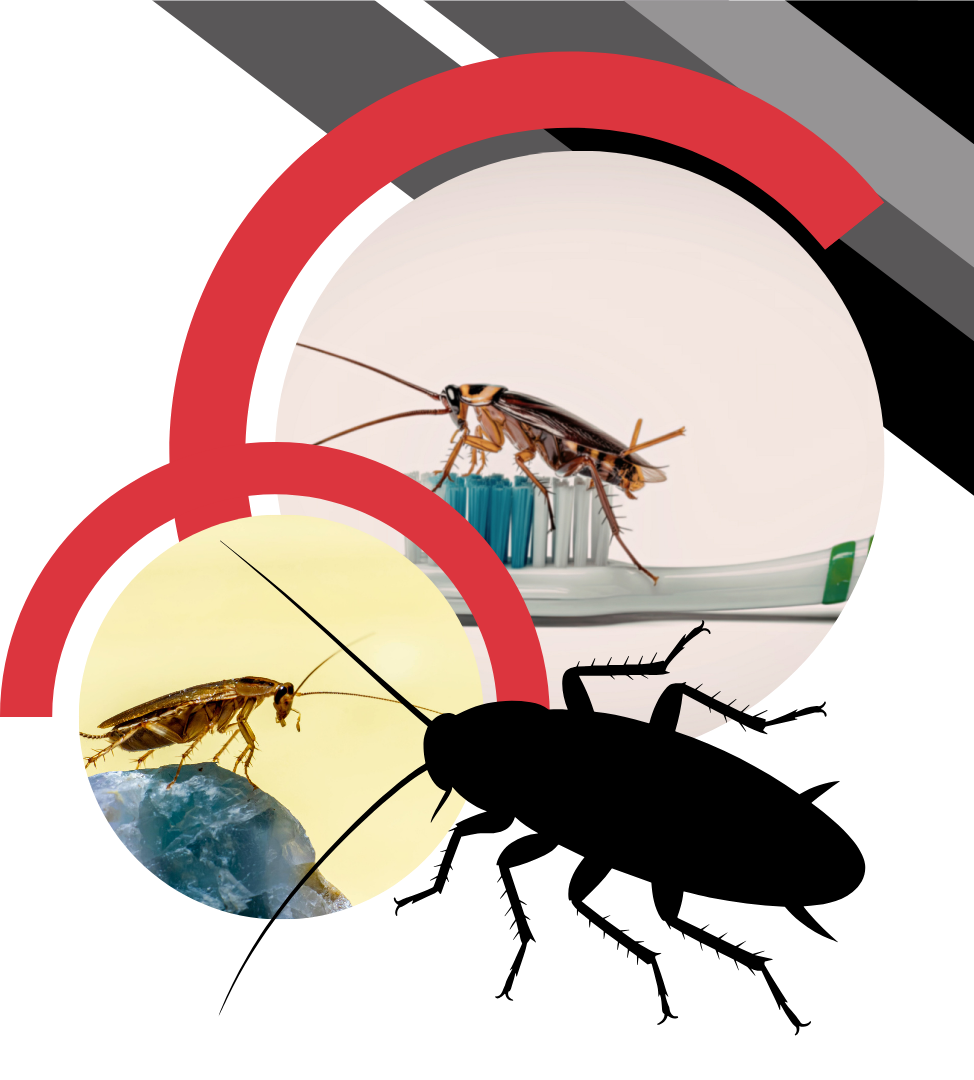
Roaches are highly adaptive insects that thrive in environments offering warmth, moisture, and steady access to food. Residential and commercial properties often provide these conditions without realizing it. Kitchens, bathrooms, laundry rooms, and utility spaces tend to attract these insects because even minor spills, condensation, or plumbing issues can support long-term activity. Once they establish themselves, they make sure to remain hidden for most of the day, emerging at night to forage and spread.
What makes these pests particularly challenging is their ability to reproduce rapidly. A small, unnoticed population can expand quickly, especially when nesting areas remain undisturbed behind walls, beneath appliances, or inside cabinets. Many people do not realize there is a problem until visual sightings become frequent or secondary signs such as droppings and egg casings appear. These insects are also masters of hitchhiking; they often enter buildings via cardboard shipping boxes, grocery bags, or second-hand appliances, allowing them to bypass traditional exterior defenses.
Different species present different concerns. German roaches often stay close to food preparation areas, while American roaches may originate from basements, crawl spaces, or drainage systems. Each behaves differently, which affects how an infestation develops and how it must be addressed. The presence of these pests also raises concerns about sanitation and indoor conditions, particularly in spaces where food is handled or stored. These factors make early identification and professional attention essential.
Why DIY Treatments Often Fall Short
Store-bought sprays and traps are commonly the first response to noticing unwanted activity. While these products may reduce visible insects temporarily, they rarely address the deeper issue. These pests are skilled at avoiding surface treatments, and many populations develop resistance to over-the-counter products. Furthermore, certain species, particularly the German cockroach, have evolved "glucose aversion," leading them to avoid the sweet baits found in many retail traps. Eliminating a few active insects does little to affect hidden nesting sites or egg capsules tucked into cracks and voids.
Another challenge is that these insects are opportunistic survivors. Small crumbs beneath appliances, grease buildup, or moisture from leaking pipes can sustain them even after basic cleaning. In shared structures such as apartments, restaurants, or office buildings, the bugs may migrate between units through plumbing lines or structural gaps, allowing infestations to persist despite individual efforts. Without a cohesive strategy that accounts for the entire building’s footprint, a single untreated unit can serve as a reservoir for future outbreaks.
Effective control isn’t only about eliminating what can be seen. Long-term success depends on disrupting breeding cycles, limiting access to resources, and addressing entry points. Without a comprehensive strategy, infestations often resurface, leading to frustration and repeated attempts that never fully solve the problem.
Targeted Removal That Addresses Hidden Activity
Professional removal focuses on precision rather than broad application. Effective service begins with a detailed inspection to determine species, nesting locations, and infestation severity. This information guides treatment decisions and ensures that the approach matches the specific behavior of the species causing the current problems.
Our professionals use targeted methods designed to reach areas roaches frequent, including wall voids, cabinet seams, and appliance spaces. Advanced baits and growth regulators are placed strategically so that the insects interact with them naturally, allowing the treatment to spread throughout the population. This approach impacts both active insects and developing stages, helping reduce reinfestation over time.
Environmental correction is also a critical component. Addressing moisture issues, sealing structural gaps with professional-grade sealants, and improving sanitation habits can all reduce the conditions that support the intruders’ survival. High-quality exclusion work involves identifying and closing the "insect highways"—the tiny gaps around pipe penetrations and baseboards that facilitate movement. Thorough removal isn’t only about elimination. It’s about altering the environment so it becomes far less inviting to future activity.
Whether the infestation occurs in a home, restaurant, retail space, or multi-unit property, professional treatment helps ensure the problem is handled thoroughly. The goal is to reduce current activity while limiting the conditions that allow roaches to return.
Long-Term Prevention And Property Protection
Sustainable control efforts depend on consistent monitoring and prevention-focused strategies. After initial treatment, follow-up services may be recommended to confirm population decline and address any remaining problem areas. Ongoing support is particularly valuable in properties with high traffic, frequent deliveries, or shared walls. Regular inspections allow for the early detection of "scout" roaches before they can establish a new colony.
Preventive measures often include maintaining dry environments, storing food in airtight containers, and minimizing clutter where roaches may hide. Even small adjustments, such as fixing a leaky faucet or clearing out stacks of old newspapers, can significantly reduce the likelihood of renewed activity. In commercial settings, routine pest management plays a vital role in protecting reputation, compliance standards, and overall indoor conditions.
Roaches are persistent insects, but professional removal combined with preventive care can dramatically reduce their presence. Addressing infestations early and maintaining a proactive approach helps protect both property value and daily comfort.
Handling infestations requires more than surface-level solutions. Proper identification, targeted removal, and preventive strategies work together to reduce activity and discourage recurrence. If roaches have become a concern or you want expert guidance on protecting your property, don't hesitate to contact us at NC Pest Detectives to learn more about our expert removal services and discuss the right solution for your space.
Frequently Asked Questions About Roaches
Q1. What Are The Earliest Warning Signs That Roaches Are Active Even If You Never See Them?
A1. Roaches are experts at staying out of sight, so an infestation often shows itself through subtle clues first. You may notice a faint musty odor, small dark specks along cabinet corners, or shed skins in hidden areas. Activity is also common around warm appliances like refrigerators and ovens. Catching these early indicators can prevent a much larger population from developing unnoticed.
Q2. Why Do Roaches Keep Coming Back Even After Repeated DIY Treatments?
A2. The main issue is that most infestations are not happening in open areas. Roaches typically live deep inside cracks, wall spaces, and protected voids where store-purchased sprays cannot reach. Many store products only affect the insects you see, while eggs and hidden nesting groups remain untouched. Long-term control requires strategies that interrupt reproduction and reach the source of the colony, not just the surface activity.
Q3. How Does Professional Treatment Help Prevent Future Infestations Instead Of Just Stopping The Current One?
A3. Professional service goes beyond removal by focusing on prevention and property protection. This includes identifying the species involved, treating the areas where they actually travel, and applying products that impact their life cycle over time. Just as important, conditions like excess moisture, food access, and entry gaps are corrected so the environment becomes far less supportive of reinfestation.