Pantry Pest Exterminator
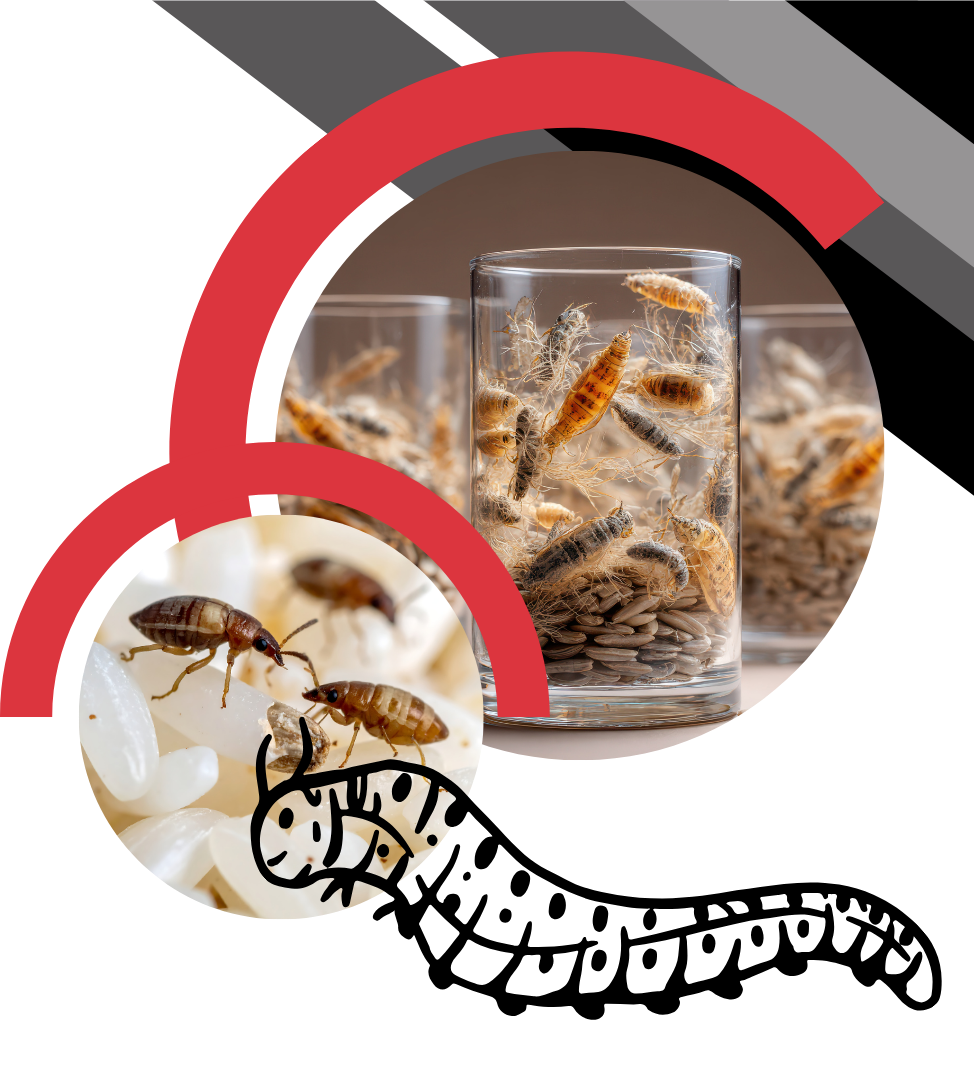
Pantry pests are one of those problems that can sneak up on you. Everything in the kitchen looks fine until you notice tiny moths fluttering near the cabinets or find odd webbing inside a bag of flour. These insects thrive in dry, stored products like cereal, rice, pasta, nuts, pet food, and baking mixes. Once they’re inside, they spread quickly because they can lay eggs directly in food sources. The most common and frustrating culprit is the Indian meal moth. These small, tan-and-copper moths are often spotted flying around at night or resting near pantry shelves. While the adults are noticeable, the real issue comes from their larvae. The larvae feed inside packaged goods, leaving behind clumps, silk threads, and contamination that can ruin entire containers of food. The presence of pantry pests isn't a one-time nuisance, it's an ongoing problem that will allow the unwanted creatures to continue creating waste, reproducing, and causing stress if the infestation isn't properly addressed. Other pantry invaders can include grain beetles, flour beetles, and weevils, but Indian meal moths tend to be the main offender in many homes because of how easily they move from one product to another.
Why Indian Meal Moths Are So Persistent
Indian meal moth infestations often begin with something as simple as bringing home an already-infested item from the store. Eggs or larvae can be hidden inside packaging, completely unseen until they develop. Once established, these moths can spread through multiple pantry items in a short time.
One reason they’re so persistent is their life cycle. Adults may only live briefly, but they lay eggs that hatch into larvae, and those larvae do the most damage. They crawl into cracks, corners, and even sealed containers that aren’t truly airtight. Thin cardboard boxes and flimsy plastic bags offer almost no resistance to a determined larva. They can chew through soft packaging or slip through the smallest gaps in a lid's threading. Furthermore, because a single female can lay hundreds of eggs during her short lifespan, the sheer volume of potential offspring means that missing even one hidden cluster can lead to a full-blown resurgence within weeks.
Another challenge is that Indian meal moth larvae can travel away from food sources to pupate, meaning you may find them along cabinet edges, behind shelving, or tucked into crevices. This migratory behavior is a survival mechanism; by moving away from their food source to spin their cocoons, they avoid detection and competition. You might find these small, off-white "worms" climbing up your walls or hanging from the ceiling, far from the original bag of flour. That’s why a thorough approach is needed, not just tossing out one bag of rice and hoping the issue disappears. Effective removal focuses on identifying every source, eliminating active stages, and preventing reinfestation through proper storage and monitoring.
Signs Your Pantry Needs Professional Attention
Many people don’t realize they have pantry pests until the infestation has grown. The first clue is often adult moths hovering near stored food or appearing in other rooms. You might also notice larvae inside packages, web-like material in flour or grains, or small beetles crawling near shelves.
Another common sign is food that seems clumped together or has an off texture, even though it’s within its expiration date. That clumping can be caused by larvae feeding and spinning silk. This silk acts as a magnet for fecal pellets and discarded skins, creating a contaminated mess that renders the food inedible. If you notice a strange, musty odor emanating from your dry goods, it is often a byproduct of a heavy infestation. In some cases, you might even see "pinholes" in the plastic packaging of pasta or crackers, which are exit holes created by emerging insects. Sometimes, homeowners clean the pantry repeatedly but still see moths returning, which usually means eggs or larvae remain hidden somewhere. Pantry pest problems can also spread beyond the kitchen. Once moths emerge, they may drift into living spaces, making the entire home feel unsettled. Since these insects reproduce steadily, waiting too long often leads to more food loss and a longer treatment process. Addressing the issue early helps protect your stored goods and prevents repeated outbreaks.
Our Targeted Removal Approach
Successful removal requires more than surface cleaning. Our services focus on breaking the life cycle of insects like Indian meal moths and restoring control over stored food areas.
We begin with a detailed inspection of pantry spaces, cabinets, and nearby rooms where moths may be active. Identifying the specific pest is important, since moths, beetles, and weevils each behave differently. From there, we help locate the source products that may be harboring larvae or eggs. Our technicians are trained to look beyond the obvious. We examine the undersides of shelves, the interior of peg-holes in adjustable cabinetry, and the voids behind built-in appliances where spilled grain or pet food may have accumulated over time. These "forgotten" crumbs are often the engine driving a persistent infestation.
We also focus on the hidden areas that often get overlooked, such as shelf joints, cabinet corners, and small cracks where larvae may pupate. By addressing these spots, we reduce the chances of the problem reappearing weeks later. Ongoing guidance is another important part of the process, too. Simple adjustments, like rotating dry goods regularly and inspecting items before storing them, can make a big difference in keeping pantry pests from returning.
Pantry pests, especially Indian meal moths, can turn an ordinary kitchen into a frustrating cycle of ruined food and unwanted insects. Proper removal takes a thorough strategy that targets every stage of their development, not just the moths you see flying around. If you’re dealing with persistent activity or want lasting prevention, contact us today at NC Pest Detectives to learn more about our specialized services and how we can help restore confidence in your home’s food storage.
Frequently Asked Questions About Pantry Pests
Q1. How Long Does Pantry Pest Removal Usually Take?
A1. The timeline depends on how widespread the infestation is and how many stored products have been affected. In many cases, the active insects can be addressed quickly, but full control often requires follow-up monitoring since eggs and larvae can remain hidden in small crevices. A thorough service focuses on stopping the life cycle, not just removing what’s visible right away.
Q2. Why Do Indian Meal Moths Keep Showing Up Even After Cleaning?
A2. Indian meal moths are persistent because the larvae can tuck themselves into areas most people don’t think to check, like cabinet joints, shelf edges, or behind stored containers. Even if the pantry looks spotless, a few unnoticed eggs or pupae can lead to new adults appearing later. Professional treatment targets those hidden stages so the problem doesn’t keep restarting.
Q3. What Steps Help Prevent Pantry Pests After Treatment?
A3. Prevention often comes down to better storage habits and regular inspection. Keeping dry goods in tightly sealed containers, rotating older items forward, and checking packaged foods before putting them away can reduce future risk. Many homeowners also benefit from monitoring tools that help detect early activity before it turns into a full-blown infestation.